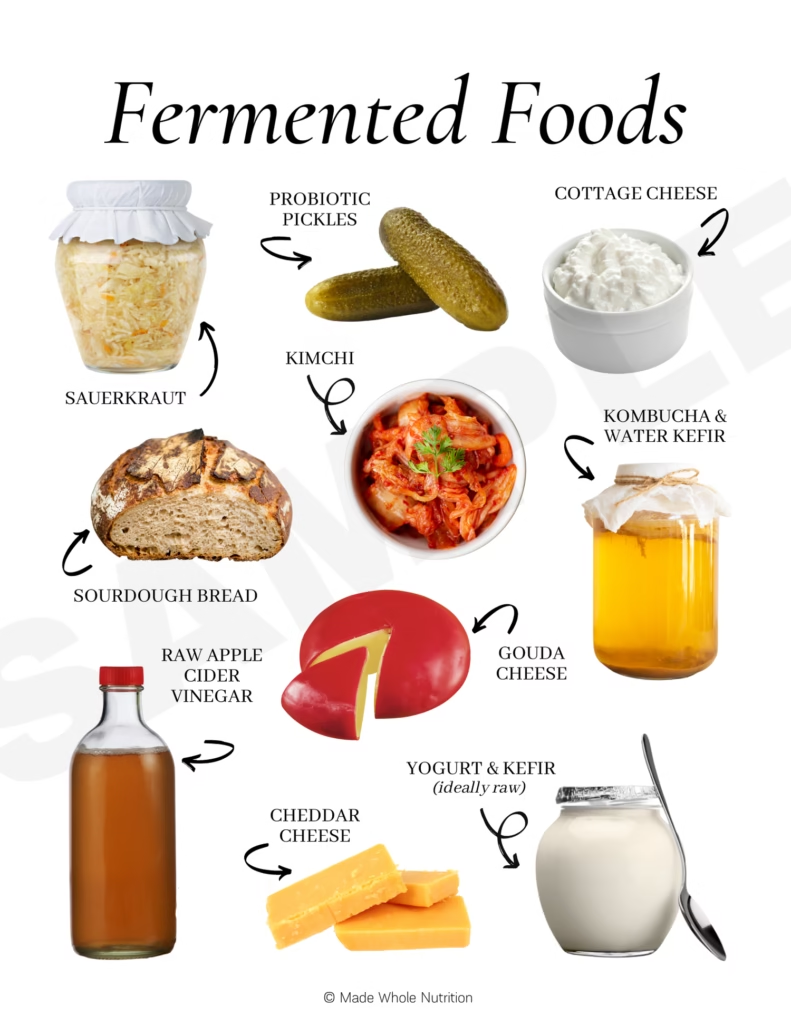
Rethinking Fermentation: A Functional Food Revival
In the world of holistic health, fermented foods have long been praised for their probiotic power and gut-healing potential. While kombucha, sauerkraut, and yogurt are household staples, today’s fermentation enthusiasts are venturing into more diverse and functionally targeted ferments—offering personalized ways to support digestion, immunity, skin, and mood through the microbiome.
For practitioners guiding clients through gut healing, immune modulation, or chronic inflammation, “Fermented Foods 2.0” offers a deeper, more therapeutic approach to home-based nutrition.
Why Fermentation Matters for Holistic Health
Fermentation is an ancient food preservation technique that transforms foods into living medicines. Through microbial activity, foods become:
- Rich in beneficial bacteria and yeasts (probiotics)
- Easier to digest and more bioavailable
- Lower in anti-nutrients like phytates
- Enhanced in flavor and nutrient density
The result? A daily dose of functional nutrition that supports:
- Gut microbiome diversity
- Immune resilience (via the gut-associated lymphoid tissue)
- Neurotransmitter production (serotonin, GABA)
- Hormonal detoxification and estrogen balance
- Skin clarity and inflammation reduction
Beyond Kombucha: Functional Fermented Foods to Explore
While kombucha is popular, many traditional and modern ferments offer specific therapeutic benefits. Here’s a look at next-level fermented foods you and your clients can prepare at home:
Fermented Greens (Kimchi, Escabeche, Pickled Mustards)
Functional focus: Liver support, hormone detox, prebiotic fiber
- Add bitter greens like dandelion or mustard to support bile flow
- Use garlic and ginger for antimicrobial and circulatory support
- Customize spice levels to manage inflammation
Fermented Legumes (Tempeh, Miso, Fermented Lentils)
Functional focus: Protein assimilation, gut-friendly plant-based options
- Miso contains peptides that lower blood pressure and support the brain
- Tempeh’s fermentation neutralizes lectins and enhances vitamin B12-like compounds
- Lentil or chickpea ferments reduce bloating and increase digestibility
Cultured Dairy & Non-Dairy Yogurts
Functional focus: Probiotic-rich calcium and magnesium delivery
- Coconut milk kefir with live cultures = dairy-free, gut-healing elixir
- Add turmeric or maca for added adaptogenic support
- Use starter cultures with specific strains (e.g., L. reuteri for skin health)
Sourdough (Traditional, Gluten-Free, or Ancient Grains)
Functional focus: Reduced gluten, better mineral absorption, mood stability
- True sourdough lowers glycemic impact and feeds healthy gut flora
- Rye and spelt options provide more fiber and prebiotic compounds
- Fermentation reduces phytic acid, improving mineral bioavailability
Black Garlic & Fermented Honey Infusions
Functional focus: Antioxidant power, immune tonic, cardiovascular health
- Fermented honey with garlic or ginger supports antimicrobial activity
- Use raw honey to naturally culture ferments like fire cider or herbal honeys
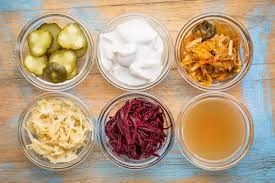
Teaching Clients How to Ferment Safely at Home
As a holistic practitioner, you can demystify fermentation by teaching clients:
- Basic hygiene and safety – Use clean utensils, glass jars, and proper salt ratios
- Fermentation vessels – Glass mason jars with airlock lids or ceramic crocks
- Ferment timelines – 1–3 days for beverages, 5–14 days for vegetables, longer for aged ferments
- Signs of success – Pleasant sour smell, tangy flavor, light bubbling
- When to discard – Foul odors, visible mold, or slimy textures
Encourage slow integration into the diet: 1–2 tablespoons daily, building up as the microbiome adapts.
Holistic Health Applications: When to Use Ferments
Fermented foods can be especially helpful for:
- Post-antibiotic microbiome rebuilding
- Leaky gut and IBS protocols
- Mood and mental health support (gut-brain axis)
- Postpartum healing
- Autoimmune regulation (start slowly and observe reactions)
- Hormone detox (esp. with estrogen-dominant clients)
Pairing ferments with herbs, adaptogens, or elimination protocols creates synergistic healing.
3-Day Starter Plan for Clients New to Fermented Foods
| Day | Morning | Lunch | Dinner |
| 1 | Coconut kefir shot | Miso broth soup | Kimchi side with grilled veggies |
| 2 | Yogurt with berries | Sourdough toast with avocado | Fermented beet salad |
| 3 | Ginger kombucha | Lentil stew with fermented greens | Tempeh stir-fry with pickled daikon |
How Practitioners Can Elevate Fermentation in Their Practice
- Host fermentation workshops or virtual demos
- Offer recipe guides or PDFs with home instructions
- Provide custom ferment plans based on client goals (e.g., skin, digestion, immunity)
- Partner with herbalists or nutritionists to create herbal-ferment combinations
- Incorporate functional stool testing to monitor microbiome diversity as clients use ferments
Conclusion: Fermentation Is Functional Medicine in a Jar
Fermented foods offer more than digestive benefits—they’re living, adaptable tools for whole-body healing. As a practitioner, helping clients move beyond kombucha into intentional, therapeutic ferments empowers long-term wellness and greater self-reliance.
By integrating Fermented Foods 2.0 into your protocols, you bridge the ancient wisdom of food-as-medicine with modern functional health.